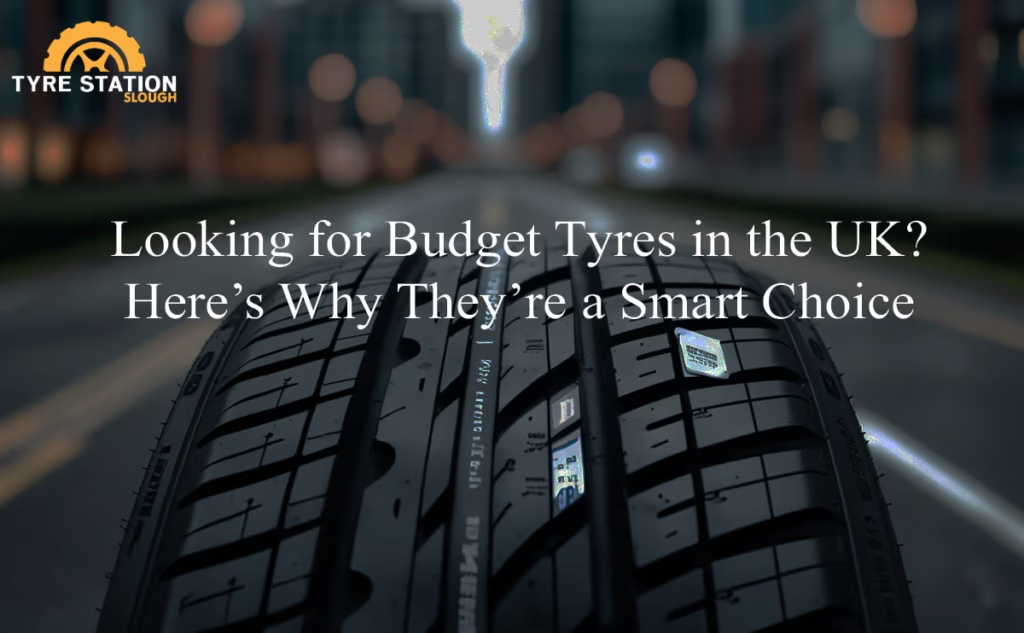
When to Replace Your Tyres: Key Signs for Safety & Performance


Introduction:
The safety and performance of your vehicle largely depend on the condition of its tyres. Recognizing the right time for a tyre replacement not only enhances your driving experience but also bolsters your vehicle’s safety features. This comprehensive guide will walk you through the top signs that your tyres need replacing, helping you make informed decisions for optimal driving safety.
1. Tread Wear: Your First Indicator
One of the clearest indicators that your tyres need replacing is noticeable wear in the tread. Tyres are legally required to have a minimum tread depth of 1.6 millimeters across the central three-quarters of the tread around the entire circumference. If your tyres have reached this limit, it’s time to shop for new ones. Consider using a tread depth gauge to monitor your tyres’ tread levels accurately and ensure you stay within safe legal limits.

2. Sidewall Cracks: A Hidden Hazard
Upon examining your tyres, if you notice any cracks or cuts in the sidewall, this could be a sign of the rubber degrading over time. These cracks can develop into deeper fissures, potentially leading to air leaks or tyre failure. Regular checks can help you spot these problems early on, preventing more severe issues down the road.

3. Bulges and Blisters: The Warning Bulbs
The outer surface of your tyres can sometimes weaken, leading to the formation of bulges or blisters. These protrusions are not just unsightly—they’re also dangerous, as they can cause sudden blowouts while driving. Regular visual inspections of your tyres can help you identify and address these risks promptly.

4. Excessive Vibration: Beyond the Rough Roads
While driving, you might feel some vibration, especially on uneven surfaces. However, excessive vibration could indicate underlying problems with your tyres, such as internal damage or misalignment. If aligning and balancing your tyres doesn’t resolve the issue, tyre replacement might be necessary to maintain your vehicle’s performance and safety.
5. Frequent Air Pressure Loss: A Leaky Situation
A tyre that frequently loses air is more than just an inconvenience; it’s a potential sign of serious issues like punctures, improper tyre fit on the rim, or damage to the valve stem. Consistently low air pressure can also lead to increased tyre wear and higher fuel consumption. Regularly check your tyres for any signs of damage and ensure they are inflated according to the manufacturer’s recommendations.
6. Tyre Age: Time Matters
Even if your tyres look in good condition and aren’t frequently used, they still age. Over time, the rubber compounds in tyres deteriorate due to exposure to various environmental factors, which can compromise their effectiveness and safety. Most tyre manufacturers recommend replacing your tyres every six to ten years, regardless of tread wear. Check the manufacture date on your tyre’s sidewall to ensure they are not past their prime.
7. Uneven Wear: Sign of Misalignment
Uneven wear on your tyres can be a sign of alignment issues, improper inflation, or problems with the suspension. Not only does this reduce the lifespan of your tyres, but it can also affect handling and increase the risk of accidents. Regularly check your tyres for uneven wear patterns and seek professional help to diagnose and correct the underlying causes.
Conclusion:
Understanding when to replace your tyres is crucial for maintaining the safety, efficiency, and performance of your vehicle. By keeping an eye out for these key indicators—tread wear, sidewall cracks, bulges, excessive vibration, air pressure loss, age, and uneven wear—you can take proactive steps to ensure your tyres are in top condition. Remember, tyres are the only point of contact your vehicle has with the road, so keeping them in excellent condition is essential for safe driving.
Call to Action:
Are you concerned about the condition of your tyres or unsure if they need to be replaced? Visit Tyre Station Slough for a professional tyre inspection. Our experts will help you understand the condition of your tyres and provide recommendations to ensure you drive safely and efficiently. Don’t wait—ensure your vehicle’s safety today!
This extended blog post is now tailored to fit an SEO-friendly profile, incorporating essential keywords organically and offering comprehensive, valuable information to readers. The content is unique, engaging, and structured to boost both readability and search engine visibility, aiming for optimal user engagement.